


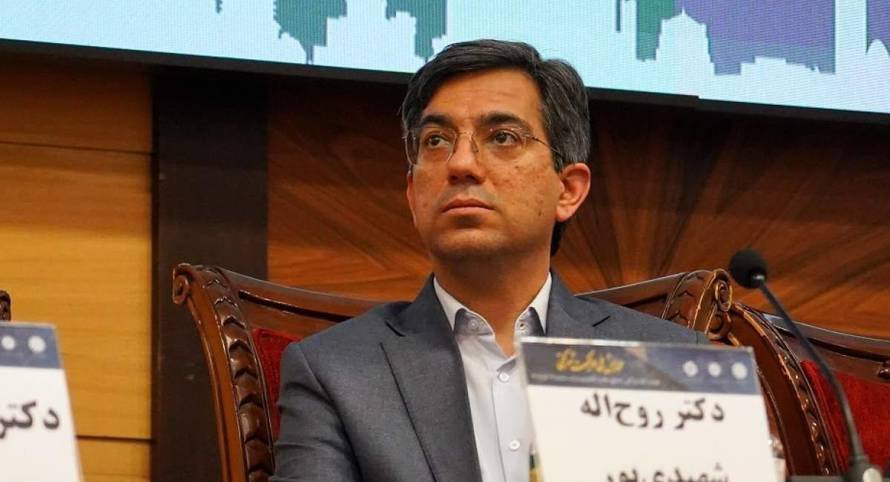
The CEO of the Tamin Oil, Gas and Petrochemical Investment Company (TAPPICO) emphasizing the importance of selecting qualified managers in the holding companies' structure throughout specialized appointing assessment-based are some of the most effective devices for enhancing productivity, strengthening oversight and improving the performance of subsidiaries.
The CEO of TAPICO at the National Conference on Corporate Governance:
Noting that the impact of appointment decisions on the performance of economic enterprises extends far beyond a mere individual choice, he also added in the country's current circumstances, merit-based appointments must be the first priority for holding companies.
This is because not only such decisions fall within the scope of a holding company’s managerial authority, but can also directly influence the quality of corporate governance and the economic decisions of the companies.
Shahidipour also added, selecting boards of directors who are specialized, capable, and aligned with the specific mission of each company resolves a significant portion of the issues related to governance, control, and the advancement of operations.
The Appointments Committee: The Focal Point for Executive Selection
Elaborating on the holding company’s appointment structure, the CEO of TAPICO stated: The Appointments Committee serves as the focal point of the executive selection process at TAPICO. To enhance the independence and quality of its decision-making, we emphasize the inclusion of three independent members from outside the organization typically human resources experts with experience in identifying and assessing executives in the committee.
Emphasizing that the mere existence of an appointments committee does not guarantee the proper selection of executives, he stated: Even if all corporate governance, requirements and regulations are observed, One cannot expect the committee members to gain a comprehensive understanding of the candidates' specialized and managerial dimensions within the limited time available during meetings. Therefore, the use of assessment tools to supplement the decision-making process seems essential.
Assessment Centers and Expert Panels: Two Complementary Tools for Identifying Competencies
Referring to the tools utilized in the appointment process at TAPPICO, Shahidipour stated: Assessment centers are one of our most important tools for evaluating candidates' Assessment centers are one of our most important tools for evaluating candidates' managerial competencies and behavioral traits. Furthermore, the specialized knowledge and the alignment of individuals' backgrounds with the responsibilities in question are also examined separately. He added that, in addition to the assessment center exam, specialized management panels are also utilized. These panels consist of experienced managers, human resources specialists and experts from the oil industry, who evaluate candidates during specialized interview sessions lasting one to two hours.
Assessment of 1,400 Individuals to Expand the Pool of Managerial Talent
Pointing to the necessity of broadening the scope of selection, Shahidipour stated: One of our serious approaches in TAPPICO is increasing the process inputs ensuring that a range of management options is examined and the most qualified individual can be selected. He added: approximately 1,400 individuals have undergone management assessment processes within the TAPPICO group so far; furthermore, numerous measures have been taken to identify talent and establish pathways for capable personnel to enter the appointment cycle."
The CEO of TAPPICO cited the identification of managerial talent from within the organization as one of these measures, stating: In collaboration with specialized organizations, individuals possessing the capacity and readiness to assume the responsibilities of serving on corporate boards of directors have been identified. In one such process, approximately 300 individuals were evaluated, nearly 100 of whom were ranked among the top candidates.
In conclusion, he emphasized the importance of institutionalizing meritocracy within the management structure of holding companies; this can enhance the quality of appointments, thereby strengthening corporate governance, increasing managerial accountability, and improving the economic performance of subsidiary companies.